


Massive Chalice: Generational Gameplay vs Save Scumming
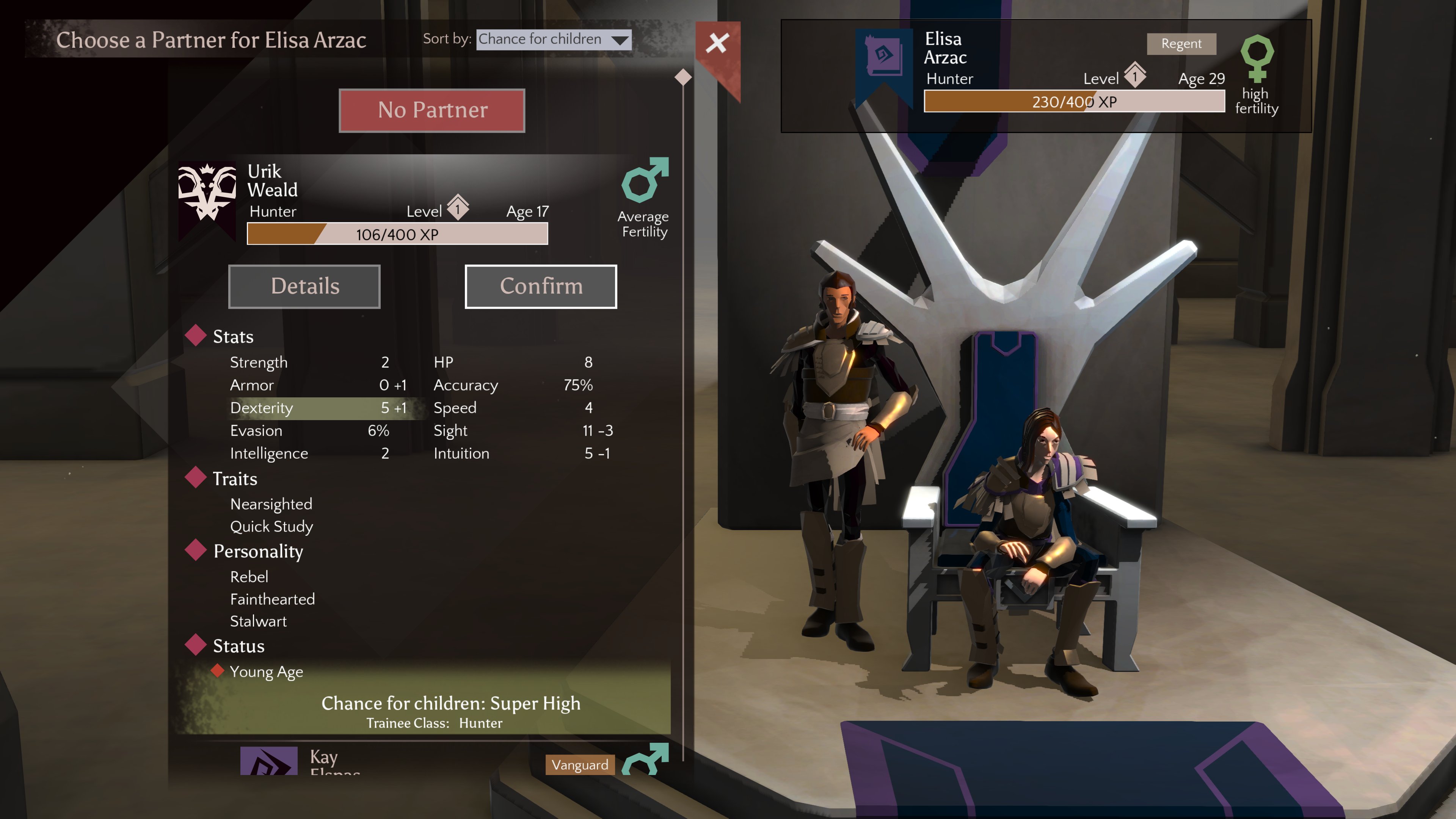
Massive Chalice, released by Double Fine Productions in 2015, tackled one of tactical strategy gaming's oldest challenges: save scumming. By introducing a generational gameplay mechanic—where warriors age, marry, have children, and eventually die—the game encouraged players to accept death rather than constantly reload saves.
Dark Clouds Behind the Innovation
Before exploring the brilliance of this generational mechanic, it's worth understanding Massive Chalice's context. The game was admittedly light on content, featuring what many players recognized as placeholder-quality character models and a bare-bones story. This wasn't laziness—it was Double Fine's survival strategy during a difficult financial period.
During this era, founder Tim Schafer split the studio into smaller teams, each working on different projects through their "Amnesia Fortnight" prototyping process. Resources flowed to winners while underperforming projects were quickly terminated—a harsh but necessary reality that claimed casualties like the now-infamous Spacebase DF-9. That Massive Chalice survived this crucible speaks to the strength of its core concept, even if budget constraints limited its execution.
The Save Scumming Problem and Its Perils
Tactical games like X-COM might not seem emotional at first glance, but they absolutely are. Soldiers aren't easily replaced cannon fodder—they're limited resources you train and watch grow from nervous rookies into hardened veterans. Together, you scrape through brutal missions with dwindling ammo and life-threatening wounds. You build memorable narratives around legendary battles won against impossible odds. And it truly stings when a precious veteran falls despite your best efforts. Eventually, you remember each one by name. This attachment is one of the genre's greatest strengths.
But here's the problem: what do you do when you're about to lose a veteran you've invested hours into? You reload the save and try again, of course. And again. And again. This is save scumming, and it creates a vicious cycle. Once you taste the power of undoing death, the temptation to optimize grows. You start reloading over every little setback, chasing flawless outcomes. It becomes self-reinforcing—your veterans become super-soldiers with accumulated perfect-run experience, making them too valuable to risk. Meanwhile, rookies never get developed because you can't afford to field them. The result? Gameplay becomes an exhausting grind, losing all dynamism as recovery from setbacks devolves into a single-minded quest for perfection.
Massive Chalice's Revolutionary Solution
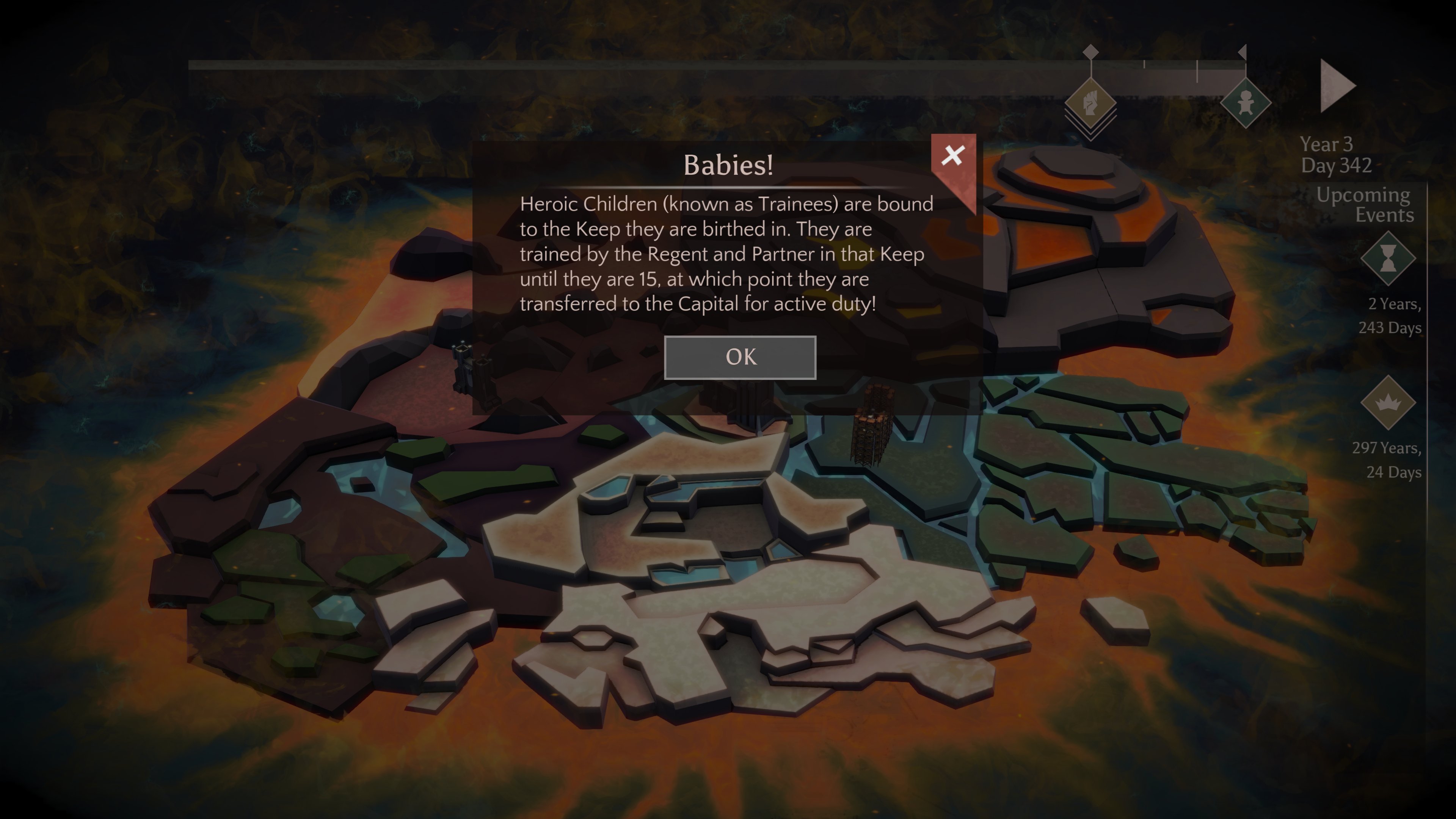
Massive Chalice solved this elegantly through forced generational turnover. Your heroes don't just risk death in combat—they inevitably age and die of natural causes over the game's 300-year timeline. Warriors marry, have children, and pass their genetic traits down through bloodlines. Veterans will die, but their children carry the legacy forward.
This simple mechanic transforms the entire experience:
- Death becomes acceptable. It was inevitable anyway—better to plan for the next generation.
- New characters have inherent value. They're not "worse versions" of veterans—they're heirs with evolved bloodlines and the potential to surpass previous champions.
- Long-term dynasty management replaces short-term optimization. You're building legacies, not protecting individuals.
- Save scumming loses its appeal. As one player put it:
Finally got around to playing this one a few months back, really enjoyed it for what it was. Only got squad wiped once. It felt shitty but since it's generational, you know you can bounce back stronger.
Instead of fixating on keeping Colonel Jenkins alive forever, you invest in the Jenkins bloodline. Will his daughter inherit his accuracy? Can you breed that trait with another family's toughness?
The Attachment Trade-off
But Massive Chalice's solution came with a cost. By making death inevitable and routine, it inadvertently reduced individual character attachment—the very thing that made X-COM's moments so emotionally powerful. When everyone is temporary, it's harder to care about Jenkins in the first place.
The game's limited production values made this worse. The high turnover rate, combined with generic character models and virtually zero personality, left characters feeling like disposable grunts rather than beloved heroes. The mechanical solution was brilliant, but it sacrificed the emotional investment that defined the genre.
CSE's Innovation: Reincarnation and Waifus
Now that you understand how crucial attachment is in tactical games, imagine the emotional investment when you replace generic soldiers like Jenkins with sexy Waifus!
Of course, losing those Waifus would hurt even more. That's where Cosmic Succubus Evolution introduces its key innovation: reincarnation.
Space Succubi don't truly die. Their ancient spirits return to the Astral Plane, a realm administered by their goddess Neximeida, where they await reincarnation—provided you've, ahem, skillfully bred an enticing enough body for them to return to. It also requires a reincarnation ritual conducted by a talented priestess. Here's how CSE expands on Massive Chalice's foundation:
"Like an orgasm, the ancient spirit enters the Syulibae's body during the reincarnation ritual. Merging of minds feels like opening a third eye that sees many lifetimes of experience. But afterwards, the minds remain separate, merging slowly over a lifetime and return to the Astral as one."
This mechanic gives us the best of both worlds:
- Death still matters. You lose immediate combat power and must retrain the reincarnated warrior from youth
- Characters stay unique. Personalities and bonuses from spirit-linked traits return, maintaining emotional investment.
- Breeding becomes strategically meaningful. You're not just enjoying a Hentai mini game—you're cock-smithing and evolved bloodline to reincarnate into!
- Generational progression continues. total power progression doesn't reset to zero even as individuals cycle through life and death
The reincarnation system transforms death from a permanent loss into a temporary setback with interesting strategic implications. Do you rush the reincarnation to get your veteran back quickly but in a suboptimal body? Or do you carefully breed the perfect genetic vessel over multiple generations, accepting the wait?
Holistic Integration, Not Bolt-On Features
What sets CSE apart is its holistic design. Reincarnation isn't just a mechanic—it's woven into the game's lore and every system. Breeding, relationships, and rituals are integral to both story and gameplay, creating a cohesive experience that feels natural and immersive.
Everything fits together like a puzzle. Massive Chalice proved that generational gameplay could solve save scumming. Double Fine showed that players would accept death if it was inevitable. CSE builds on these foundations, adding X-COM Apocalypse's deep simulation and tough battles to forge genuine bonds with your Waifus. Then it layers in reincarnation to preserve attachment, letting you take things further through dating, breeding, and evolving the next generation—all through unapologetically adult content. These aren't bolt-on systems; they're synergistically designed to maximize the experience.